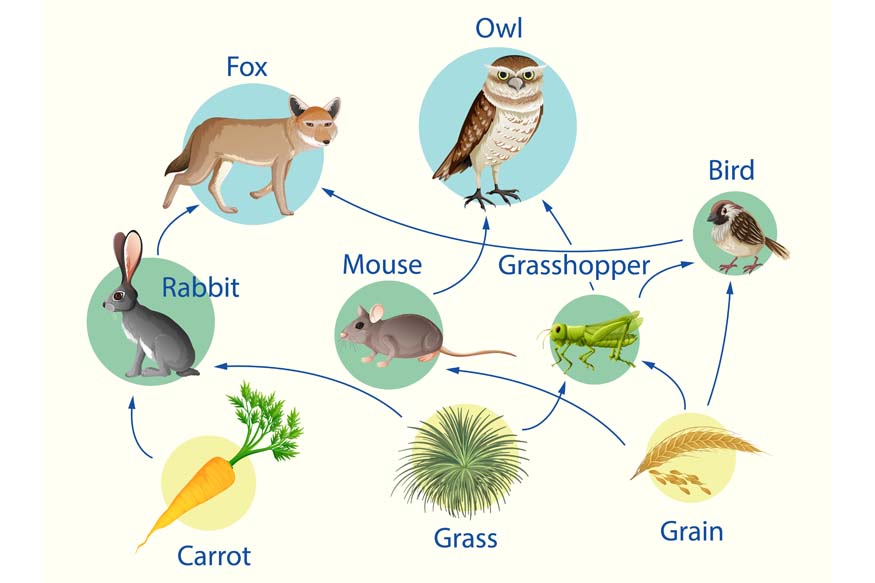
Our survival blueprint is found in environmental science. It helps us address pressing issues like pollution, habitat destruction, and increasing temperatures by illuminating how human activity modifies natural systems. We can discover practical, data-driven solutions to strike a balance between urban development and the environment by researching these relationships. For students at CBSE schools in Nagpur, this isn’t just textbook theory—it is a vital tool for solving local challenges like intense summer heat waves and regional water management. In the end, the field is important since the only way we can save our environment is by studying it.
Understanding the Purpose of Environmental Science
Forests, rivers, oceans, air and wildlife don’t exist in isolation — they’re connected in ways that affect each other constantly. Environmental science is the study of how these systems work and how human activity fits into them. What makes it practical rather than purely academic is that it isn’t just about identifying problems — it’s about finding ways to meet human needs without steadily dismantling the systems that make those needs possible in the first place. That balance is what the subject is really about.
Why Studying the Environment Matters Today?
Pollution, water shortages, deforestation and shifting weather patterns show up in everyday life in ways that are hard to ignore. The importance of environmental education lies in building the awareness that leads to better decisions — not creating alarm. People who understand how natural systems work tend to use resources more carefully, and that shift in behaviour, multiplied across communities, is what actually makes a difference.
Learning How Human Activities Affect the Planet
Driving, consuming electricity, generating waste — these are ordinary parts of daily life that carry environmental consequences most people rarely think about. The gap between development and sustainability isn’t inevitable, but it widens when resources are used without consideration. Once the connection between everyday behaviour and environmental impact becomes clear, choices like reducing waste, saving water and recycling stop feeling like sacrifices and start feeling like the obvious response to something that’s already understood.
The Importance of Protecting Natural Resources
Clean water, fertile soil, forests and minerals aren’t unlimited — they replenish slowly, if at all, and disappear quickly when used carelessly. Understanding ecology basics helps make this real rather than abstract: every plant, animal and natural resource plays a role in keeping systems balanced, and removing or depleting any one of them has consequences that ripple outward. Using resources wisely isn’t a restriction — it’s the only approach that keeps them available for what comes next.
Using Science to Solve Environmental Issues
Most environmental problems have a scientific explanation — and most solutions do too. Cleaner energy, better waste management and improved water conservation all come from research and applied knowledge, not good intentions alone. Students who engage with these concepts build critical thinking alongside environmental awareness — the combination needed to approach real problems practically.
Creating Healthier Places to Live
The quality of the environment directly shapes the health of the people living in it. Clean air, safe water and maintained green spaces reduce illness and support well-being in measurable ways. Environmental studies benefits reach beyond individual awareness — communities that understand this connection tend to manage waste better, reduce pollution and maintain shared spaces that make everyday life healthier for everyone.
Supporting Responsible Growth Without Harming Nature
Development is necessary — infrastructure, jobs and growing populations all require it. The challenge is ensuring that growth doesn’t come at the expense of forests, rivers and wildlife habitats that took far longer to build than any structure humans have ever raised. This is where sustainability education becomes relevant — teaching students that progress and environmental protection aren’t opposing forces but decisions that have to be made together, with each one informing the other.
Making Better Decisions with Environmental Knowledge
Knowing how the environment works changes how people make decisions — not just in obvious ways like reducing waste or saving electricity, but in farming, construction, transport and community planning too. Environmental impact isn’t always visible in the moment, but it accumulates. People who understand this tend to factor it into choices rather than ignoring it, which is the difference between development that depletes and development that lasts.
Preparing Future Generations for Environmental Responsibility
Values around environmental responsibility form early and tend to stay. Children who take part in tree plantation drives, recycling projects, nature walks and hands-on learning develop a respect for the environment that comes from real experience rather than instruction. At the best CBSE School in Nagpur, these activities are built into how students learn rather than treated as occasional events — because habits formed through repeated, meaningful experience are the ones that carry into adulthood and actually shape how people live.
Why Environmental Science Is an Essential Part of Education?
Environmental learning connects what students study to what they can actually observe around them — and that connection builds critical thinking in a context that feels relevant rather than abstract. Practical activities and outdoor learning make the case for protecting nature in a way that reading about it alone rarely does.
The Lasting Impact of Environmental Science on Society
Environmental awareness creates lasting benefits for individuals, communities and future generations. It encourages responsible use of resources, healthier lifestyles and better decision-making. Students studying at a CBSE School in Katol Road develop these values through meaningful environmental learning and practical experiences. As environmental challenges continue to grow, this knowledge helps build a more responsible and sustainable future. Visit to know more about Global Warming is Affecting Earth’s Climate
FAQs
1. Why is environmental science important?
It explains how natural systems work and how human activity affects them — knowledge that leads to better decisions.
2. What do students learn in environmental science?
Natural resources, ecosystems, pollution, climate and practical ways to protect the environment.
3. How does environmental science help in daily life?
It turns awareness into specific habits — saving water, reducing waste and using resources more thoughtfully.
4. Why should children study environmental science?
Habits formed early last longest. Children who understand nature grow into adults who respect it.
5. How can schools promote environmental awareness?
Through nature walks, recycling programmes, tree plantation drives and hands-on projects that make responsibility feel real.
Conclusion
Understanding the natural world changes how people relate to it. Environmental science gives that understanding a foundation — one that shapes habits, decisions and the kind of respect for nature that doesn’t fade when the lesson ends. As environmental challenges grow more pressing, the people best equipped to respond are those who built that understanding early enough for it to become instinct rather than afterthought.
Centre Point School, a leading CBSE school in Katol Road, builds environmental responsibility into everyday learning rather than treating it as an add-on. Students engage with it through practical activities and real experiences that make the subject meaningful. For families considering CBSE school admission in Nagpur, this is a school where academic achievement and genuine environmental awareness develop together.